Is Professional Moving and Packing Worth It for High Value Items
August 15, 2025
Movers and Shippers That Can Make Your Deadlines
September 5, 2025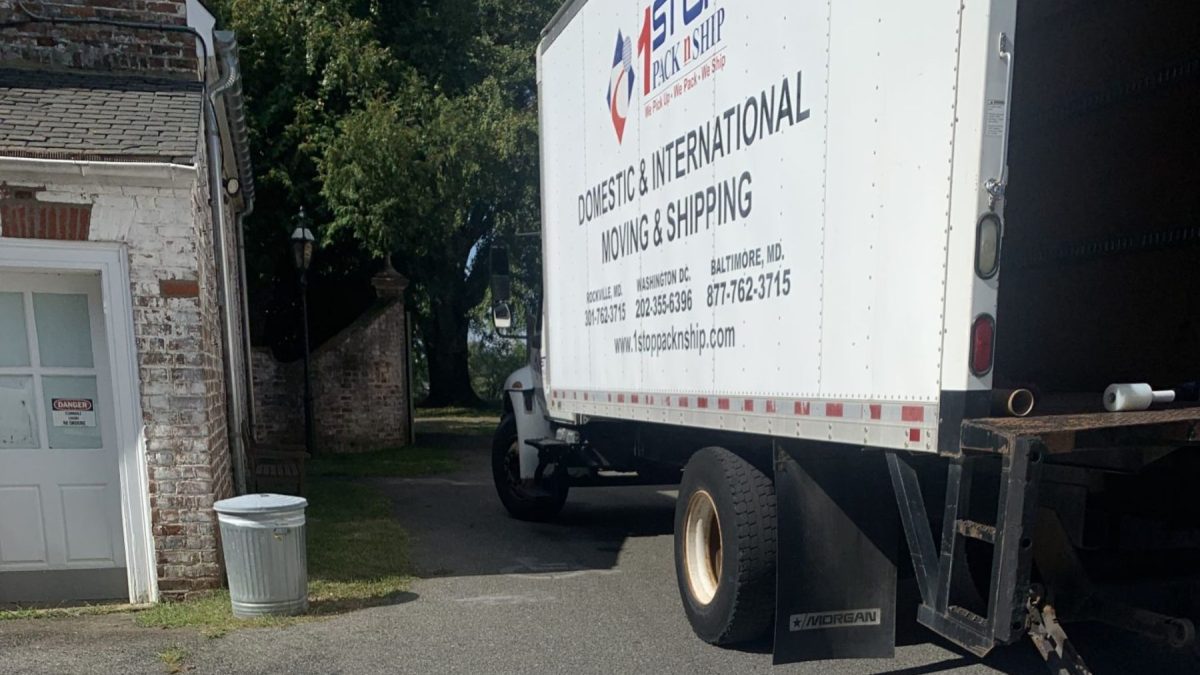
What is less than truckload shipping? LTL shipping provides the quickest way to move freight for businesses shipping between 150 and 20,000 pounds when they don’t need a full truck. Our shipping company’s extensive operations along the US East Coast have shown us how this method can reshape the scene of logistics operations for companies moving smaller freight volumes.
Businesses choose LTL shipping when they need to move 10 pallets or less. This makes perfect sense when you don’t want to pay for empty truck space. LTL shipping cuts down warehousing needs by creating more direct routes for smaller shipments. The shipping experience involves complex steps. Each shipment needs at least six forklift moves and travels on three different trucks minimum before reaching its destination. This complexity actually helps make the shipping process more efficient.
Several factors affect LTL shipping rates. The main goal is distance – longer trips between pickup and delivery points cost more. Larger and bulkier shipments take up more truck space and leave less room for other consignments, which makes them more expensive. LTL shipping can improve your business’s efficiency and success by a lot. This option helps the environment too. Multiple shipments get consolidated to optimize truck space, which puts fewer trucks on the road and reduces carbon emissions.
This piece will give you everything you need to know about LTL shipping and expert strategies that can cut your shipping costs by up to 30%. You’ll learn the basics, pricing factors, cost-cutting techniques, and ways to get the most from this versatile shipping option.
Understanding Less Than Truckload (LTL) Shipping
LTL shipping works quite differently from traditional shipping methods. Traditional full truckload services let one shipper’s freight fill an entire trailer. LTL takes a different approach by combining multiple shipments from different businesses onto a single truck. This creates a budget-friendly option for smaller freight volumes.
What qualifies as less than a truckload shipment
LTL shipments must typically weigh between 150 and 20,000 pounds. Most carriers will call one to six pallets standard LTL freight, though this varies among providers. The size limits usually restrict LTL shipments to less than 12 linear feet, and many carriers won’t accept pallets taller than 84 inches. The basic idea behind LTL shipping is simple – your freight takes up just a portion of the trailer’s space, sharing the room with other shippers’ goods.
LTL vs FTL: Key differences in cost and usage
LTL shipping’s biggest advantage is its cost efficiency – you only pay for the space you need. This makes perfect sense for businesses with smaller shipping needs. FTL shipments work differently – you’ll need to book the whole truck whether you fill it or not. LTL might be cheaper overall, but its pricing isn’t simple. It depends on freight classification codes that look at things like density, handling, liability, and stowability. There’s another significant difference when it comes to transit times. LTL shipments take longer because trucks stop multiple times along delivery routes. FTL moves directly from start to finish, while LTL freight gets loaded and unloaded several times during its journey.
Common industries using LTL shipping
Many industries get great value from LTL shipping solutions. Chemical companies employ LTL to move smaller amounts of materials safely. The automotive sector finds LTL perfect for shipping smaller batches of parts, electronics, and accessories. Paper and plastics businesses, especially those handling bulky but light products, can cut shipping costs with LTL services. Manufacturing companies that ship small quantities of raw materials and e-commerce retailers handling various product sizes rely heavily on LTL shipping’s flexibility and cost benefits.

How LTL Shipping Rates Are Calculated
Businesses looking to cut shipping costs need to know what drives LTL rates. The pricing structure for LTL shipping is more complex than other methods because carriers look at several different factors.
Freight class and NMFC codes explained
The National Motor Freight Traffic Association (NMFTA) sets standard rates for products through a classification system. The system ranges from Class 50 (least expensive) to Class 500 (most expensive). Four vital factors determine these classifications: density, stowability, handling, and liability. Each product gets its own National Motor Freight Classification (NMFC) code that helps carriers set the right price. This standard system helps create consistency throughout the industry. Carriers can now accurately evaluate what each shipment needs and what it should cost.
Impact of weight, density, and dimensions
A shipment’s density affects its cost directly. You can find the density by dividing the weight by volume in cubic feet. Shipments with lower density usually fall into higher freight classes and cost more to ship. They take up more space compared to their weight. More carriers now use dimensional pricing models to calculate rates based on how much space a package takes up versus its actual weight. After switching to dimensional pricing, companies have seen prices go up 10-20% for items with lower density.
Distance and zone-based pricing models
Your shipment’s route is a big deal as it means that prices can vary greatly. Carriers split North America into different zones. Rates go up as shipments move through more zones. Each carrier creates its own zone structure based on network coverage. The starting point is always the origin zip code. The price increases as the distance gets longer.
Accessorial charges: liftgate, inside delivery, reclassification
Base rates are just the start. Accessorial fees pay for extra services beyond normal pickup and delivery. You’ll see common charges like liftgate service ($50-$125), inside delivery ($50-$125), and reconsignment fees ($50-$100). These extra costs show up when shipments need special handling or don’t follow standard procedures.
8 Proven Ways to Cut LTL Shipping Costs by 30%
Strategic cost reduction for LTL shipping needs a multi-layered plan. Our work with thousands of East Coast businesses has revealed eight proven strategies that save money reliably.
1. Combine shipments to cut down frequency
Merging several smaller shipments into bigger ones helps shippers cut their transportation costs. This approach makes better use of trailer space and cuts handling costs per unit. Companies that use smart consolidation usually save 10% to 50% in freight costs. The process leads to fewer handling points during transit, which cuts damage risks and speeds up delivery times. Businesses that ship regularly to the same places can save money right away and make customers happier with faster deliveries.
2. Pick the right freight class to dodge reclassification fees
Wrong freight classification stands out as one of the most expensive mistakes in LTL shipping. Carriers charge reclassification fees when they spot differences between stated and actual shipment details. These fees can drive up your shipping costs by a lot. The charges happen when weight, size, or density calculations don’t match the bill of lading info. You can avoid these extra costs. Just measure carefully after packaging, write down exact dimensions and weights, and use current NMFC codes for everything you ship.
3. Make packaging and palletization work better
Good packaging protects your shipment and affects your freight costs. Well-packed goods use space better and reduce dimensional weight charges. Standard pallets and stackable containers cut wasted space, which lowers shipping costs through better density metrics. The right palletizing and wrapping methods keep goods safe during transit and help avoid carrier fees. National Motor Freight Classification packaging rules matter – boxes need to sit squarely on pallets without hanging over the edges. Any overhang cuts cardboard strength by about one-third.
4. Look at LTL rates across different carriers
Carrier prices vary a lot, especially for specific routes and service types. You can save money right away by using systems that let you compare rates side by side from multiple providers. A transportation management system lets you see and review rates from many carriers at once instead of jumping between websites. This comparison helps you get the best price-service mix for each shipment, often saving 5% to 15% on transportation costs.
5. Get volume discounts through long-term contracts
Building strong relationships with select carriers opens up better negotiation options. Carriers often give better prices to shippers who provide steady business. Your commitment to specific volume levels over time helps carriers work more efficiently, and they might offer big discounts. You can get priority service and better pricing by bringing together your LTL spending, showing attractive freight features, and proving your commitment to carriers’ success.
6. Plan ahead to avoid extra fees
Extra service fees beyond standard pickup and delivery can make shipping costs soar. Common avoidable charges include waiting fees for drivers, building access fees, and redelivery charges. You can eliminate many of these charges completely with accurate paperwork, proper facility prep, and good receiving procedures. Some extras like liftgate service or home delivery can’t be avoided, but noting these needs during quote creation stops surprise charges after delivery.
7. Put a Transportation Management System (TMS) to work
TMS platforms play a key role in making LTL shipping better. They handle rate calculations, carrier picks, and shipment tracking automatically while giving useful data for ongoing improvements. Smart automation and networking features save time and money by streamlining processes. Companies using TMS typically cut shipping costs by 5-15%, reduce labor costs by 3-4% by saving 5-10 minutes per order, and sometimes speed up delivery by two days. These systems create detailed reports that show ways to improve and help make smarter shipping decisions.
8. Team up with a 3PL for carrier savings
Third-party logistics providers bring special benefits through their carrier connections, volume discounts, and expert knowledge. 3PLs get better rates than individual shippers because they combine shipping volumes from thousands of customers. These partnerships can cut costs by up to 25% compared to direct carrier negotiations. 3PLs also help with freight audits, extra fee management, and network improvement strategies. Their industry know-how and carrier relationships become crucial when capacity gets tight and during busy seasons.
Tracking, Analytics, and Performance Optimization
Making decisions based on informed insights has reshaped how less than truckload shipping operates. Shippers can find hidden inefficiencies and improve their freight operations with proper tracking and analytics.
Using shipment data to identify cost leaks
LTL shipping success depends on complete visibility of your freight spend. Controlling shipping costs becomes almost impossible without full transparency. Advanced transportation management systems (TMS) help shippers capture origin, destination, weight, dimensions, and other critical data points that show spending patterns. Companies that adopt a “Data Culture” philosophy see major improvements in operational efficiency. Through proper data analysis, businesses can identify consolidation opportunities, optimize pooling arrangements, and select affordable tariffs for their specific shipping profile.
Key metrics: cost per shipment, damage rate, transit time
LTL shipping metrics that matter most focus on four critical areas: cost, on-time performance, damage rates, and billing accuracy. Cost per pound provides the clearest indicator of pricing efficiency when you divide shipment cost by weight. Carrier reliability shows in the on-time performance percentage that divides on-time shipments by total shipments. Damage-free shipment percentage helps assess freight integrity by dividing damage-free shipments by total shipments. Transit time metrics show how quickly shipments move between points. These simple metrics create an objective scorecard that evaluates carrier performance.
Using analytics for continuous improvement
Analytics go beyond simple measurements to enable ongoing improvements throughout the LTL shipping process. GPS telemetry and IoT sensors now provide immediate visibility into shipment location and condition. Companies that implement data analytics typically reduce shipping costs by 5-15% and labor expenses by 3-4% through time savings of 5-10 minutes per order. Route optimization analytics use historical shipping data, traffic patterns, and delivery windows to find the quickest routes. Scenario planning capabilities let businesses model different supplier locations, distribution points, and seasonal demand changes to prepare for future needs.
Finding LTL Rates
Less than truckload rates need smart planning in today’s shipping world. LTL costs face moderate upward pressure, sitting roughly 65% higher than 2018 levels. This rise comes from disciplined pricing, longer shipment lengths, and tighter capacity as smaller carriers leave the market. Market experts predict moderate rate increases in 2025 as capacity slowly balances across the industry.
Smart shippers can get better LTL rates by using rate comparison tools that show carrier options side by side. Many carriers now offer LTL Select features. These let you enter information once and quickly compare freight shipping rates. You’ll make fewer mistakes by entering details just once. The whole shipping process becomes faster with quicker bill of lading creation and better shipment tracking.
Carrier prices change based on freight class, weight, density, location, season, and size. Each shipment needs a fresh look at different carriers. The cheapest carrier from your last shipment might not be your best option now. Smart businesses can save money through weight break discounts. They do this by combining shipments to hit specific weight targets, which cuts the cost per pound.
Third-party logistics companies get volume-based carrier discounts. These discounts help you access better rates that might be out of reach on your own. 1 Stop Pack N Ship stands out as your best shipping partner. This family-run business brings established carrier relationships and deep knowledge of LTL shipping to help you succeed.