Shipping a Family Heirloom Overseas? Here’s How Custom Crating Actually Protects It
July 31, 2026
UPS, FedEx, or Canada Post, Which Carrier Actually Handles Fragile Packages Best?
August 15, 2026
A shipment can be packed like a fortress and still go nowhere. When goods leave the USA, customs cares about far more than the box. Names, values, product details, classifications, and destination rules all matter. For families moving overseas, businesses serving foreign customers, collectors shipping artwork, or anyone sending valuable belongings abroad, the paperwork deserves as much attention as the packing.
The Commercial Invoice Needs Real Details, Not Vague Labels
Customs officers need to know exactly what is inside the shipment. Descriptions such as “gift,” “samples,” “parts,” or “personal items” can be too vague. A commercial invoice should identify the goods, quantity, value, buyer, seller, and other shipment details. Some destinations may also require an HS code, country of origin, or a specific invoice format.
The same rule applies when nothing was sold. Used furniture, inherited belongings, artwork, equipment, and gifts still need a reasonable declared value. An unrealistically low figure can create trouble instead of saving money. Customs authorities use invoice information when reviewing goods and assessing possible duties or taxes.

Your Product Description and HS Code Should Tell the Same Story
An HS code is not just another number for a form. It places goods into a recognized product category. That classification can affect tariff rates, paperwork, and import requirements. A wooden dining table, laptop component, and original painting may travel together, but customs does not treat them as the same type of merchandise.
Problems often start with descriptions that say too little. “Electronic item” leaves plenty of room for questions. “Used laptop computer” is much clearer. The invoice, packing list, and classification should describe the goods consistently. Precise cargo descriptions make it easier for authorities to understand what they are reviewing.
Some U.S. Shipments Need an Electronic Export Filing Before Departure
Many first-time shippers assume all customs procedures happen after the package reaches another country. That is not always the case. Certain goods leaving the United States require Electronic Export Information through the Automated Export System. One common trigger is merchandise valued above $2,500 under a Schedule B classification. Goods requiring an export license may also need filing.
This requirement can matter for companies sending commercial cargo, households moving valuable belongings, and people exporting expensive equipment. There are exemptions and special rules, so shipment value should never be the only factor checked. Confirming export requirements before departure can prevent paperwork problems from appearing after the cargo is already moving.
Customs Charges Are About More Than the Price of Shipping
Paying the carrier does not necessarily settle every cost. The destination country may collect import duties, taxes, or other clearance charges. Those amounts can depend on the goods, declared value, origin, and local tariff rules. Two boxes with the same weight and transportation cost can face very different charges once they reach customs.
Commercial shippers should also decide who handles those expenses before anything leaves the warehouse. Incoterms can divide responsibility for freight, insurance, documentation, and customs procedures between the seller and buyer. Clear terms prevent arguments when a shipment arrives with a bill nobody expected.

The Destination Country Has Its Own Import Rules
Being allowed to export something from the USA does not guarantee that another country will let it enter. Products such as food, plants, medical equipment, batteries, cosmetics, cultural property, and other controlled goods may face additional restrictions. Depending on the destination, permits, certificates, labels, or supporting documents could be required.
Paperwork rules can also change from one country to another. Some customs authorities accept a standard commercial invoice. Others require additional copies, certificates of origin, permits, or specialized forms. Requirements can even change according to the product itself. Reusing paperwork from an old shipment without checking the new destination can create an unnecessary delay.
Your Packing List Can Prevent Bigger Problems Later
A packing list may seem like a simple document, but it plays an important role in international shipping. It gives customs officials, carriers, and receivers a clear breakdown of what is inside each package. A good packing list can include carton numbers, item quantities, weights, dimensions, and detailed descriptions. This becomes especially useful when one shipment contains several boxes, crates, or different types of goods.
Customs officers may compare the packing list with the commercial invoice and other documents. If the details match, the shipment is easier to review. If they do not, customs may ask for more information. Even a small difference can create extra work. Clear records also help when a shipment contains fragile, valuable, oversized, or carefully packed items.
Accuracy matters from the first box to the last. The quantity on the packing list should match the actual contents. Weights and package counts should also be correct. Descriptions should stay consistent across all shipping documents. For example, an invoice that lists four chairs should not be paired with a packing list that shows five. Small errors can raise questions and slow the process. A detailed packing list also helps during inspections. Officials can locate a specific item without opening every package. It can also help the receiver confirm that everything arrived as expected. For businesses, this makes inventory checks easier. For families moving overseas, it provides a useful record of personal belongings. Taking a little extra time to prepare this document can prevent confusion later and make the entire shipment easier to manage.

Professional Packing Does Not Replace Customs Paperwork, but the Two Work Together
Customs clearance and physical packing solve different problems. Strong crates protect fragile goods from movement and handling. Accurate documents explain what those crates contain. High-value artwork, antiques, furniture, electronics, equipment, and household belongings often need both careful protection and detailed records before an overseas trip begins.
This matters even more with unusual or oversized pieces. Dimensions, materials, value, and item type can affect the shipping method and documentation. Planning both sides together reduces last-minute changes. It also gives the shipper a clearer picture of what will happen before the cargo reaches a port, airport, or foreign border.
Make Overseas Shipping Less Complicated With 1 Stop Pack n Ship Handling the Details From Packing Through International Delivery
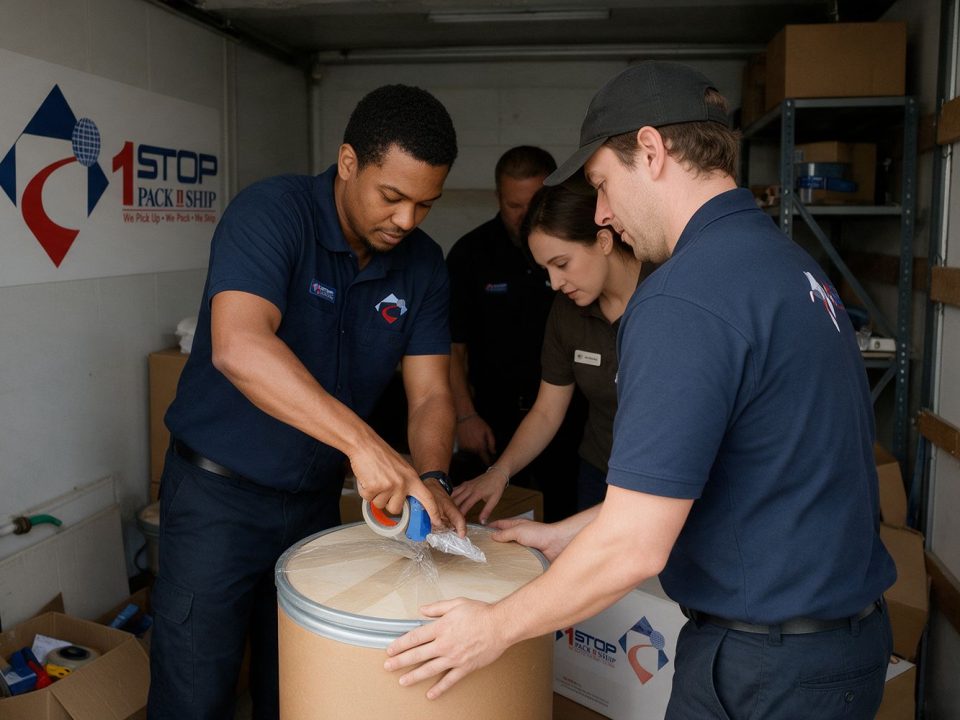
International shipping becomes far more manageable when the packing and paperwork are planned together. 1 Stop Pack n Ship serves residential and commercial customers in Maryland, Virginia, and Washington, DC. The company handles international shipments along with professional packing and custom crating for items ranging from household goods and furniture to artwork, electronics, and other valuable cargo.
Whether you are moving abroad, sending business cargo, shipping a valuable piece, or preparing an unusual item for an overseas destination, getting the details right before pickup can make a major difference. 1 Stop Pack n Ship can help organize the packing, documentation, and shipping method around your cargo and destination. Contact us to discuss your international shipment and request a quote.