Local moving Services
September 12, 2023
Shipping Services
November 9, 2023
Shipping Artwork Internationally
1. Select Appropriate Packaging:
Use high-quality, sturdy packaging materials designed for shipping artwork. This may include custom-made crates, padded boxes, or specialized art packaging supplies. Ensure the packaging is the right size to prevent movement during transit.
2. Protective Layers:
Use acid-free paper, glassine, or plastic wrap to protect the artwork’s surface. If it’s a painting, consider using glass or acrylic glazing to prevent damage.
3. Bubble Wrap and Cushioning:
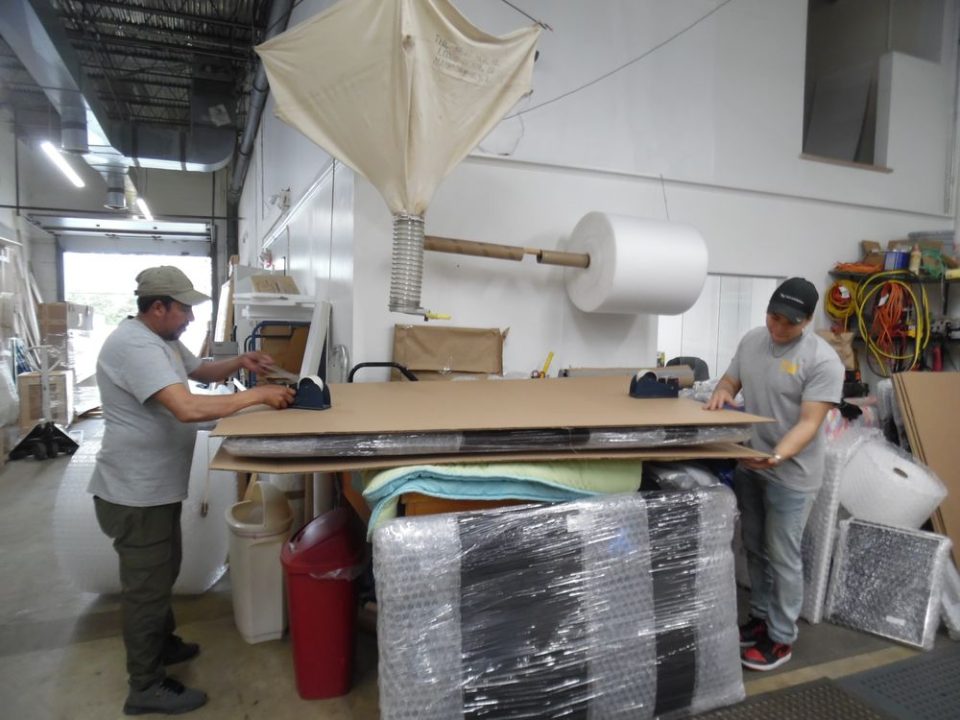
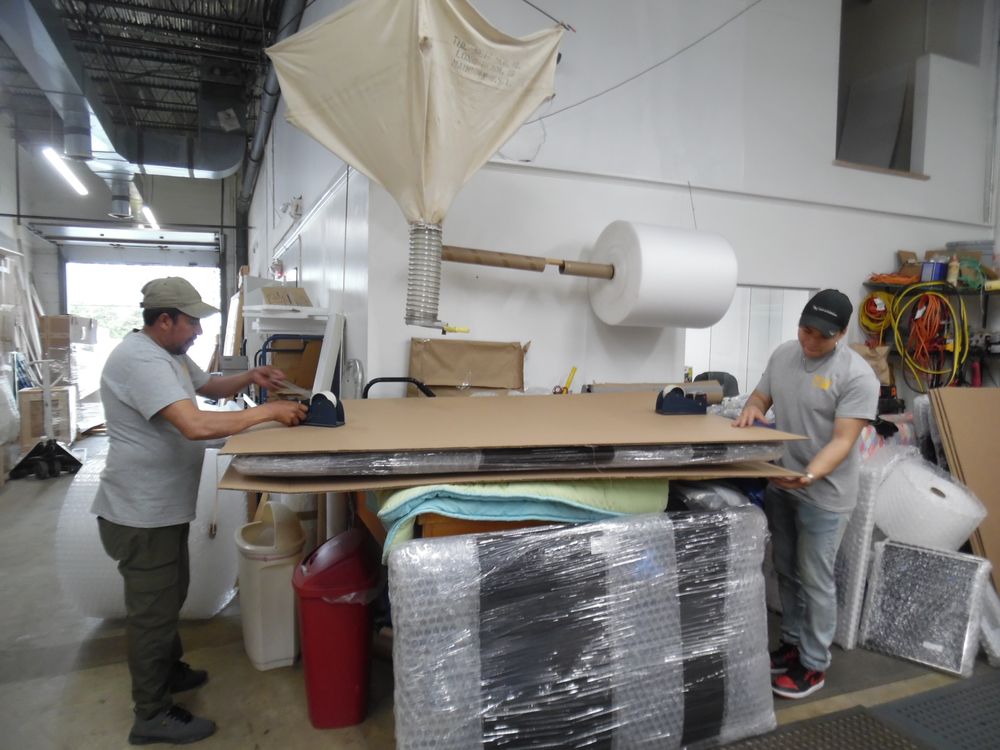
Add multiple layers of bubble wrap or foam cushioning to provide shock absorption and protect against vibrations during shipping. Pay special attention to the corners and edges.
4. Labeling:
Clearly label the packaging as “Fragile” or “Handle with Care” to alert handlers to the delicate nature of the contents.
5. Customs Documentation:
Prepare all necessary customs documentation, including a detailed description of the artwork, its value, and its country of origin. You may need to provide a certificate of authenticity or provenance.
6. Customs Declarations:
Be aware of import/export regulations and customs requirements for the destination country. Some artworks may be subject to import taxes or restrictions.
7. Insurance:
Consider insuring the artwork for its full value during transit. Most art shipping companies offer insurance options.
8. Choose a Reputable Shipping Service:
Research and select a reputable international art shipping company that specializes in handling and transporting artwork. They should have experience with customs procedures and provide tracking services.
9. Climate Control:
If the artwork is sensitive to temperature and humidity changes, discuss climate-controlled shipping options with the shipping company.
10. Shipping Methods:
Choose an appropriate shipping method based on the artwork’s size, weight, and value. Options may include air freight, sea freight, or courier services.
11. Tracking and Monitoring:
Use a tracking system to monitor the progress of the shipment. This will help you stay informed about its location and estimated arrival time.
12. Delivery and Installation:
Coordinate with the recipient or an art professional at the destination for the safe delivery and installation of the artwork.
13. Documentation and Records:
Maintain records of all shipping documents, receipts, and communication with the shipping company. This can be valuable in case of any issues or insurance claims.
14. Communication:
Keep the artist or buyer informed about the shipping process and provide them with tracking information.