Understanding International Shipping Duties on Art and Furniture
June 30, 2026
The Safest Way to Track a Package Across International Borders: Tools, Risks, and Best Practices
July 15, 2026
Incoterms® 2020, published by the International Chamber of Commerce (ICC), set out exactly where risk shifts from seller to buyer and spell out who’s on the hook for each stage of your international shipment, and honestly, these commercial terms can make or break your budget since they dictate whether you’re footing the bill for cargo insurance, customs clearance, and delivery costs, all of which hit your bottom line and legal responsibilities in ways you might not expect.
Key Incoterms Rules for Different Transport Modes
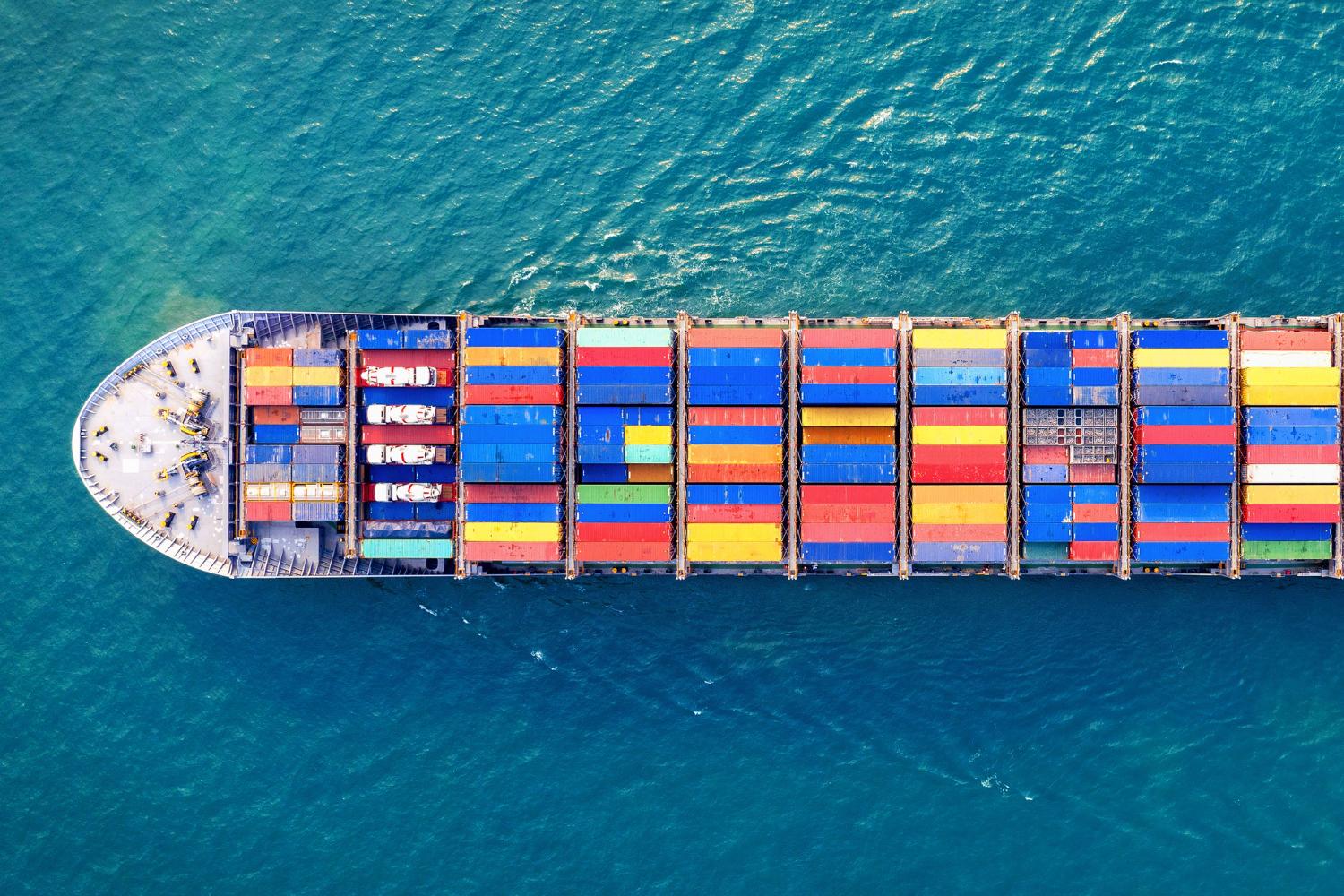
The ICC splits Incoterms® 2020 into eleven rules that cover different transport modes—seven of them can be used for any mode, even those complicated multimodal shipments: EXW (Ex Works), FCA (Free Carrier), CPT (Carriage Paid To), CIP (Carriage and Insurance Paid To), DAP (Delivered at Place), DPU (Delivered at Place Unloaded), and DDP (Delivered Duty Paid), while the other four are just for sea freight and inland waterway transport: FAS (Free Alongside Ship), FOB (Free on Board), CFR (Cost and Freight), and CIF (Cost, Insurance and Freight), and these last ones have this odd requirement that goods must cross the ship’s rail at the port of loading to shift risk—yeah, that’s still a thing; if you’re shipping by air, land, or a mix, you’ve gotta stick to the universal seven, because using FOB for air cargo just doesn’t make sense (no ship’s rail there!), and at 1 Stop Pack n Ship, we actually walk you through picking the right Incoterm for your transport mode and delivery needs so you don’t end up with a mess later.
Risk Transfer and Cost Allocation in International Trade
Risk transfer and cost allocation—two sides of the same coin, but they’re not the same, and your sales contract needs to spell both out; with EXW, you take on all risk and cost the second the seller puts goods at their door, which gives you control but, honestly, puts all the pressure on you, while FCA hands off risk when the seller delivers to your chosen carrier at a named spot, and on the flip side, DDP dumps the burden on the seller, who’s stuck with risk and all the costs, even import duties, until the goods land at your place—so it’s really a question of how much you want to handle yourself; the “C” terms—CPT, CIP, CFR, and CIF—are a bit odd since they split the risk transfer from who pays for what, meaning you get risk sooner but the seller still covers transport to the destination, which becomes a big deal if you’re ever filing insurance claims or arguing over who’s liable during sea freight, and don’t forget, terminal handling charges at the port of loading usually land on the seller, while at the port of destination it all depends on your Incoterm, so it’s worth hashing out these details up front because they’ll definitely affect your landed costs and should be part of your negotiations.
Insurance, Documentation, and Customs Considerations
Insurance is a whole different animal depending on which Incoterm you pick—under CIF and CIP, the seller’s supposed to get cargo insurance, but there’s a catch: CIP asks for Institute Cargo Clauses A (that’s the best coverage), while CIF only wants Institute Cargo Clauses C (the bare minimum), so you really need to check if that’s enough for your stuff or if you’d rather beef up your own coverage, and if you’re using DAP, DPU, or DDP, nobody’s actually required to insure, but you’d be taking a risk not to; bills of lading are your go-to document for sea freight, while air waybills cover air shipments, but don’t forget about customs clearance—the seller’s on the hook for export clearance except under EXW, and when it comes to import duties and clearance at the destination, that’s your headache unless you’re using DDP, in which case the seller handles it all, duties included; letters of credit usually mention specific Incoterms too, so your banking paperwork needs to match your contract, and if you want to dig deeper, the International Trade Administration at trade.gov has more info on security requirements that can trip you up with customs or your supply chain.
Major Changes from Incoterms 2010 to 2020
The biggest change in the 2020 update swapped out DAT (Delivered at Terminal) for DPU (Delivered at Place Unloaded), which is actually pretty handy since now you can deliver anywhere, not just terminals, making life easier if you’re moving bulk cargo or need a special drop-off spot; FCA also got tweaked so you can get an on-board bill of lading even if you’re arranging sea freight yourself but still need the seller to grab that “shipped” proof for your letter of credit, which was a pain before; also, CIF and CIP split on insurance—CIP now demands Institute Cargo Clauses A (finally, right?), while CIF sticks with the basic C coverage, and the ICC clarified that you can use your own transport for FCA, DAP, DPU, and DDP instead of always hiring a third-party carrier; plus, security requirements are spelled out more clearly now, which is overdue given how much global supply chains have changed, so overall, these tweaks make contracts way more precise and, hopefully, cut down on arguments in international trade.
Choosing a Shipping Partner: The 1 Stop Pack n Ship Advantage
Picking the right shipping partner for international trade isn’t just about price—it’s about finding a team that gets the paperwork, customs headaches, and the quirks of your shipments across all those different transport modes, because if you’ve ever tried to handle it all yourself, you know it’s rarely as straightforward as it seems.
Personalized Support for International Shipping
Shipping with 1 Stop Pack n Ship means you’re not just another number in the system—your shipments actually get the kind of attention you’d hope for, whether you’re moving fragile antiques by sea or rushing documents by air, and the team digs into your situation, looking at insurance, security, and your preferred transport method, then helps you figure out what each Incoterm really means for your contract and what’s going to happen at the delivery point; here’s what they really help with: picking the right Incoterm for your deal, suggesting insurance based on what you’re shipping, handling special requests for sensitive items, and pulling together all the pieces if you’re using more than one transport mode—so you’re not left guessing whether sea, land, or air fits your timeline or budget, because, let’s be honest, the answer isn’t always obvious.
Simplifying Documentation and Customs for Customers
International shipping comes with a mountain of paperwork that can slow everything down if it’s not done right, but 1 Stop Pack n Ship takes a lot of that off your plate by handling bills of lading, customs documents, and compliance steps for you; your customs clearance is a lot less stressful when you’re working with folks who actually know the ins and outs of trade regulations, and they make sure your bills of lading match your Incoterm and your invoices line up with your sales contracts, which is more important than you might think; they keep up with shifting customs rules around the world so your shipments don’t get stuck, spotting potential paperwork problems before they become real delays at the destination, and this is a lifesaver if you’re shipping restricted items or routing through multiple countries, since you’ll get updates on your shipment and any new documentation needs along the way—because, let’s face it, surprises in international shipping are rarely good ones.
Ensuring Safe and Compliant Delivery of Goods
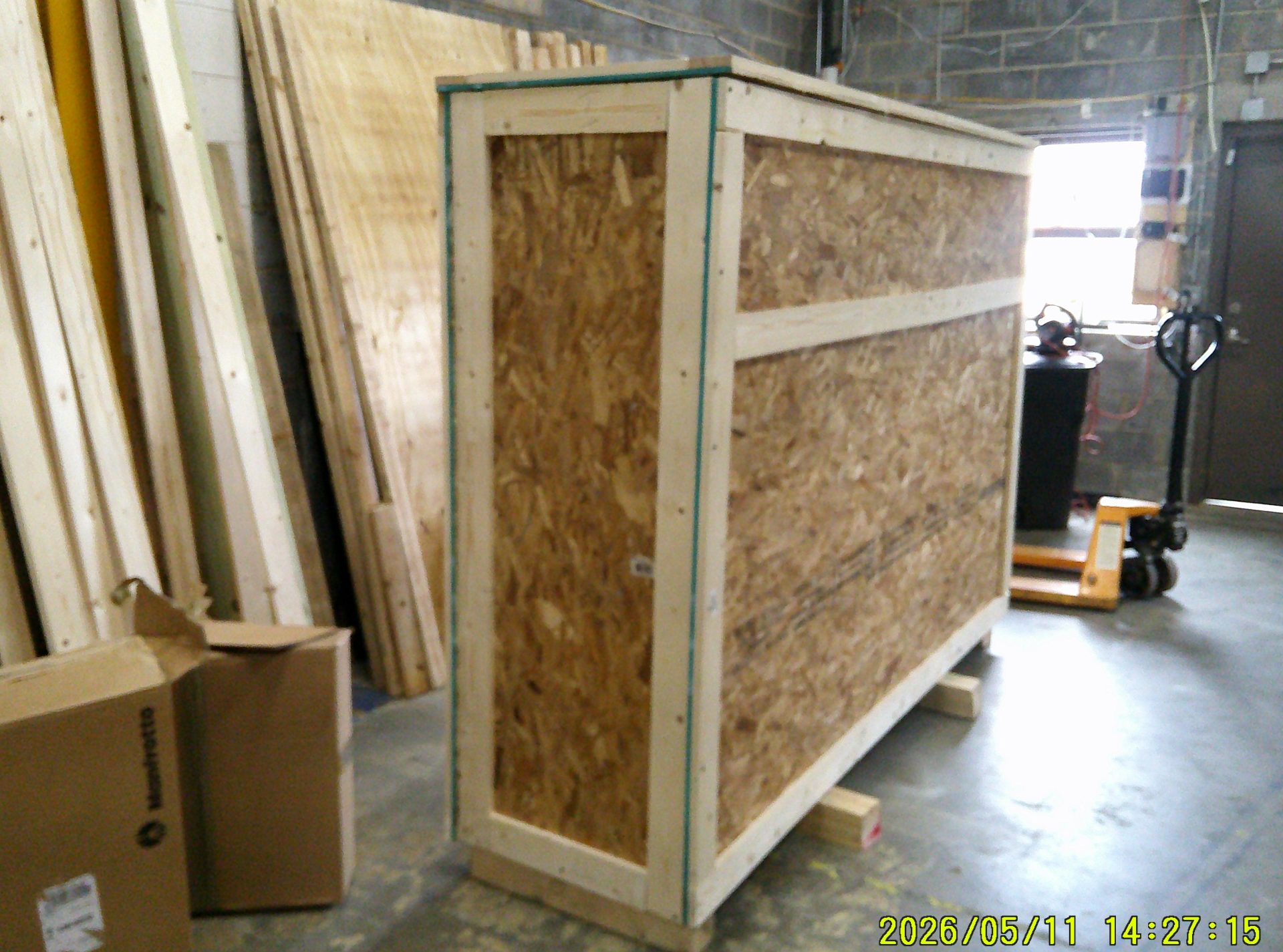
When you go with 1 Stop Pack n Ship as your logistics partner, you can feel at ease knowing your goods are in good hands—well, as much as anyone can ever really relax about shipping stuff across the world, right? They’re especially good with tricky, delicate shipments like artwork or custom furniture, the kind of things that make you wince a little when you hand them off. International transport is never simple, but these folks actually seem to get that some items need a whole different level of care.
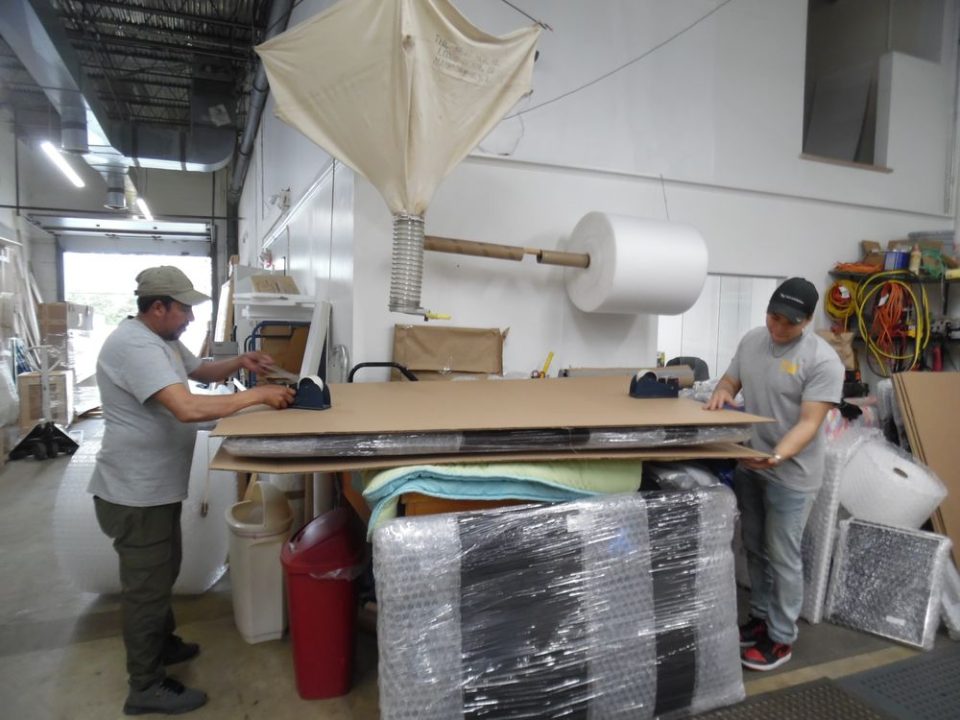
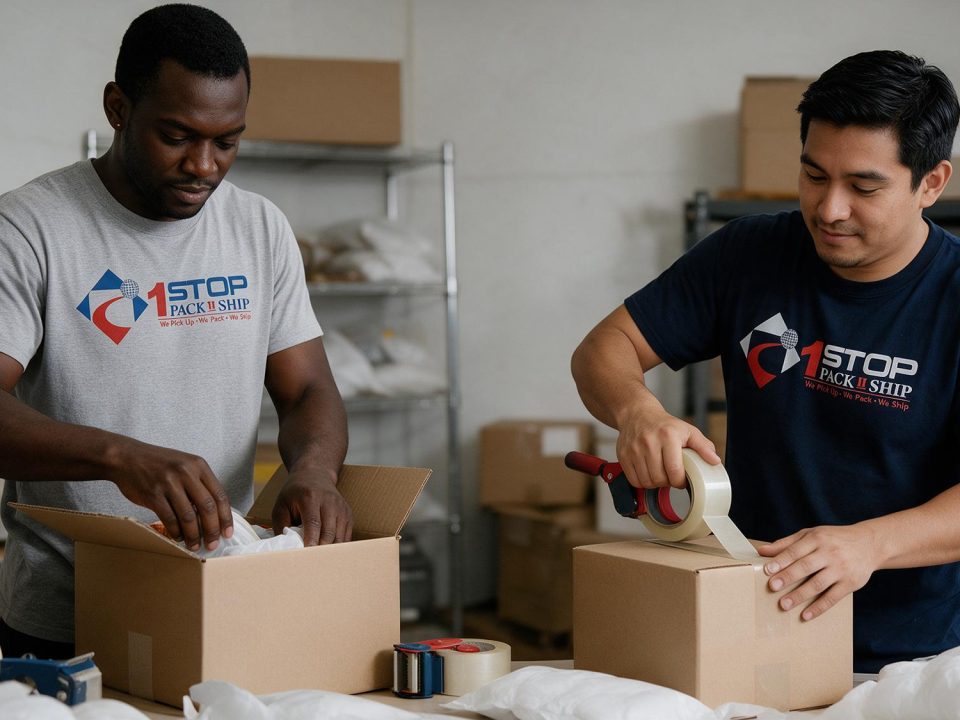
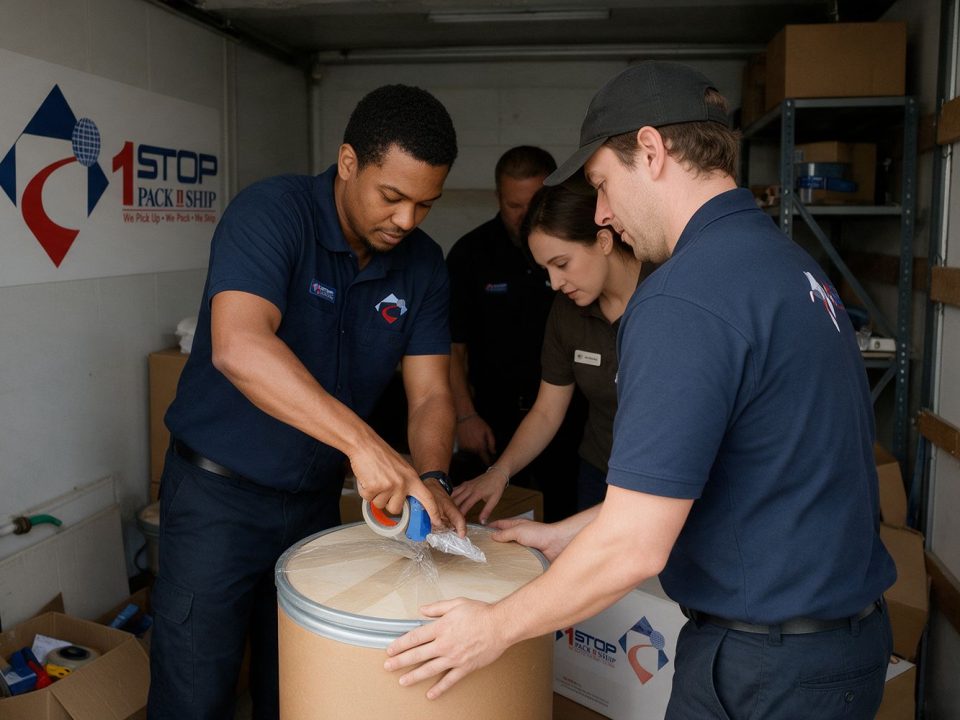
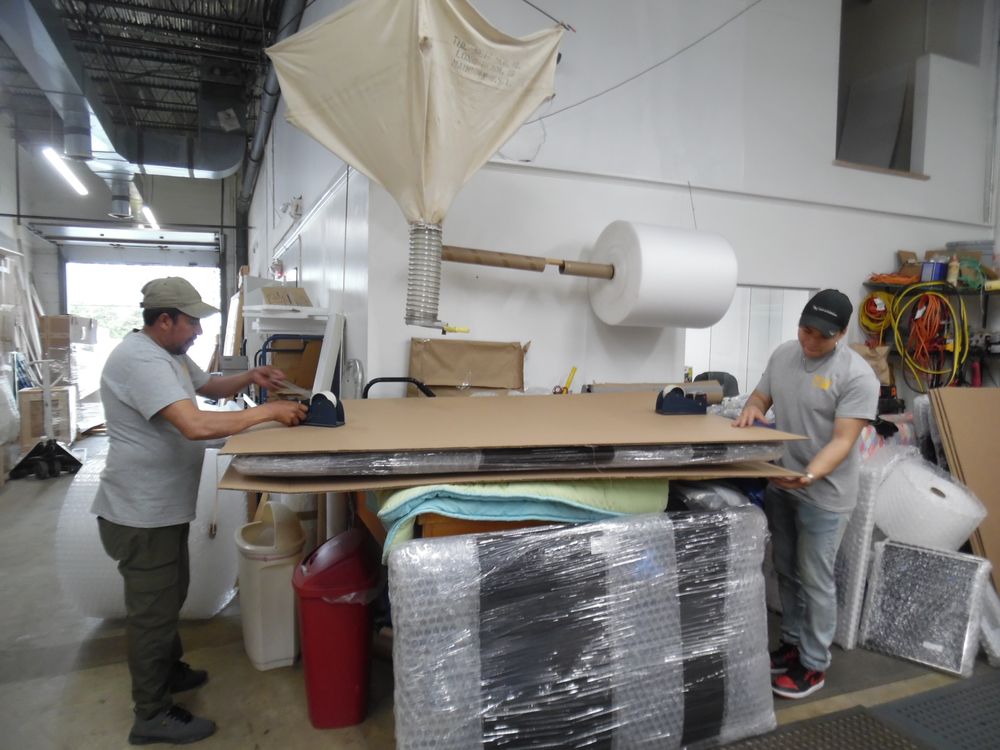
Every shipment gets its own treatment, with packaging and protection tailored to how far it’s going and which way it’s getting there. Sometimes it’s their own trucks, sometimes it’s a web of carrier networks—either way, they prep your goods so they’ve got the best shot at arriving safe and sound at the final destination, wherever that may be.
Protection measures include:
- Custom crating for high-value or fragile items
- Proper labeling that meets international shipping standards
- Insurance options that align with your Incoterm responsibilities
- Tracking systems that monitor your shipment throughout the supply chain
The team’s always on top of compliance too, making sure everything checks out at ports and border crossings (which, honestly, can be a headache if you’re not careful). They keep in touch with all the carriers involved so your stuff is handled right the whole way through, and that takes a lot of the stress out of worrying about damaged goods messing up your international trade deals.