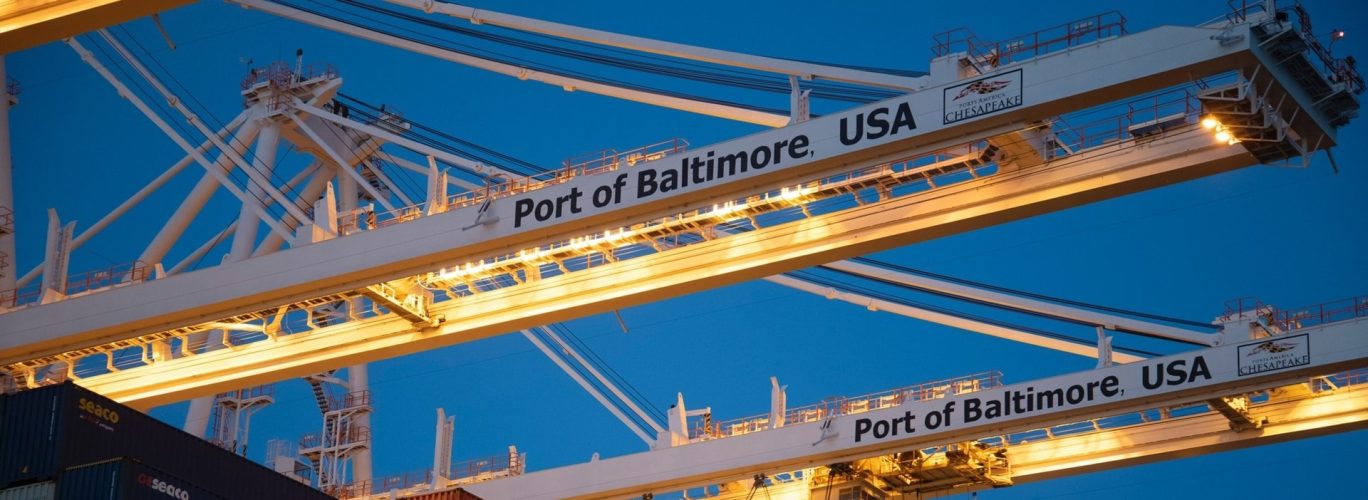
Let Us Help You Get Through Customs Quicker
August 7, 2024
Your Safe and Sound Shipping Company
August 15, 2024
Shipping a container overseas involves several key steps. Here’s a general guide to help you through the process:
- Determine Your Shipping Needs:
- Size and Type of Container: Decide on the size (e.g., 20-foot or 40-foot) and type (e.g., standard, high-cube, refrigerated) of the container based on the items you’re shipping.
- Destination: Identify the port of destination and ensure it can handle the type of container you’re using.
- Prepare Your Goods:
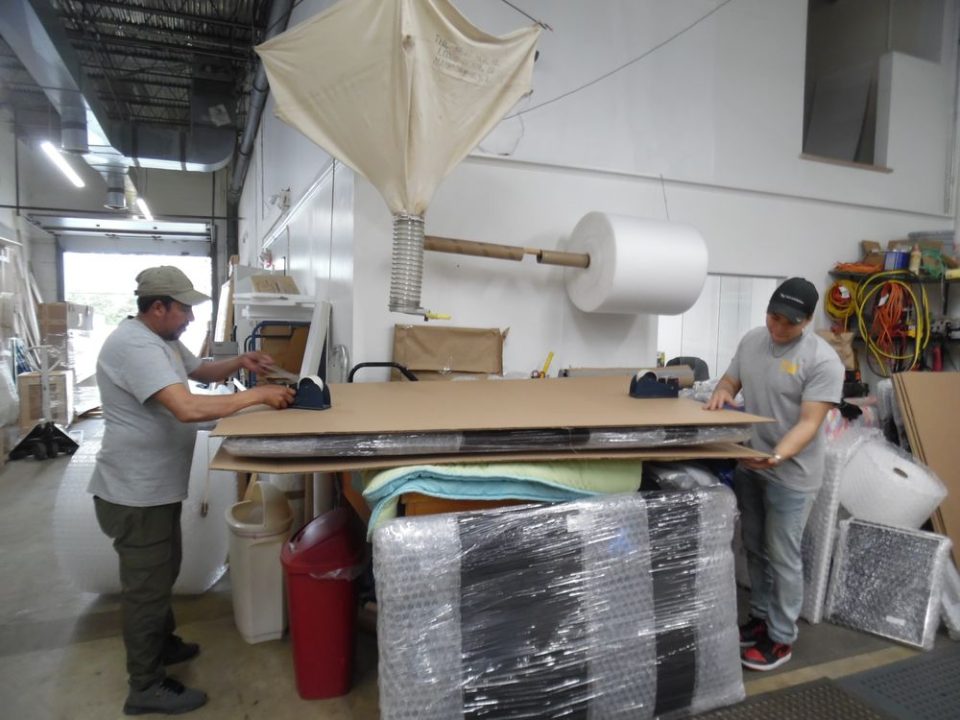
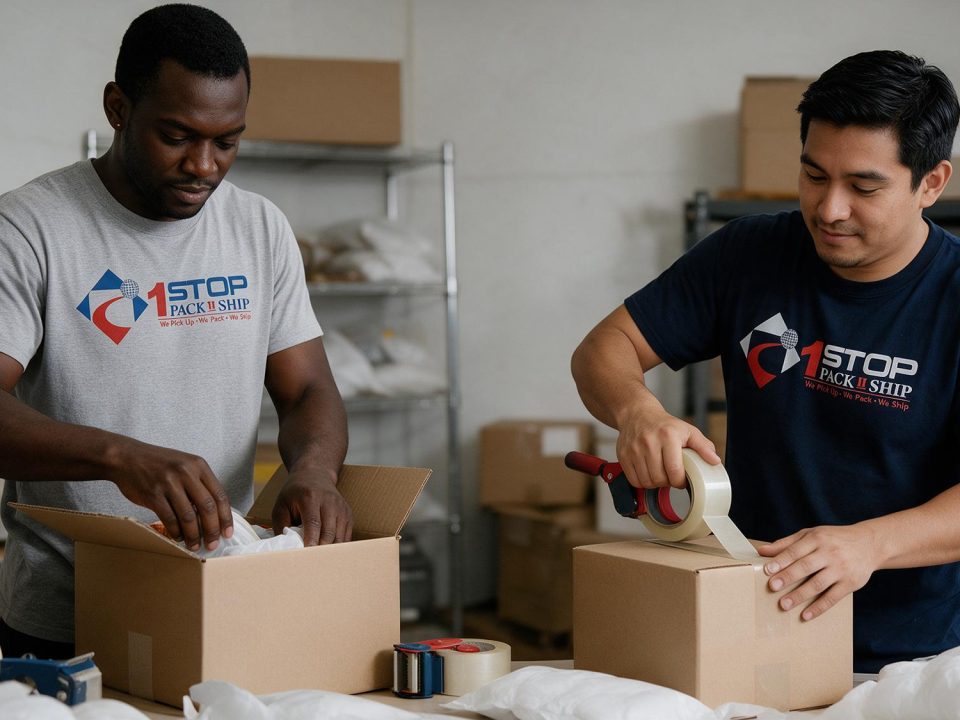
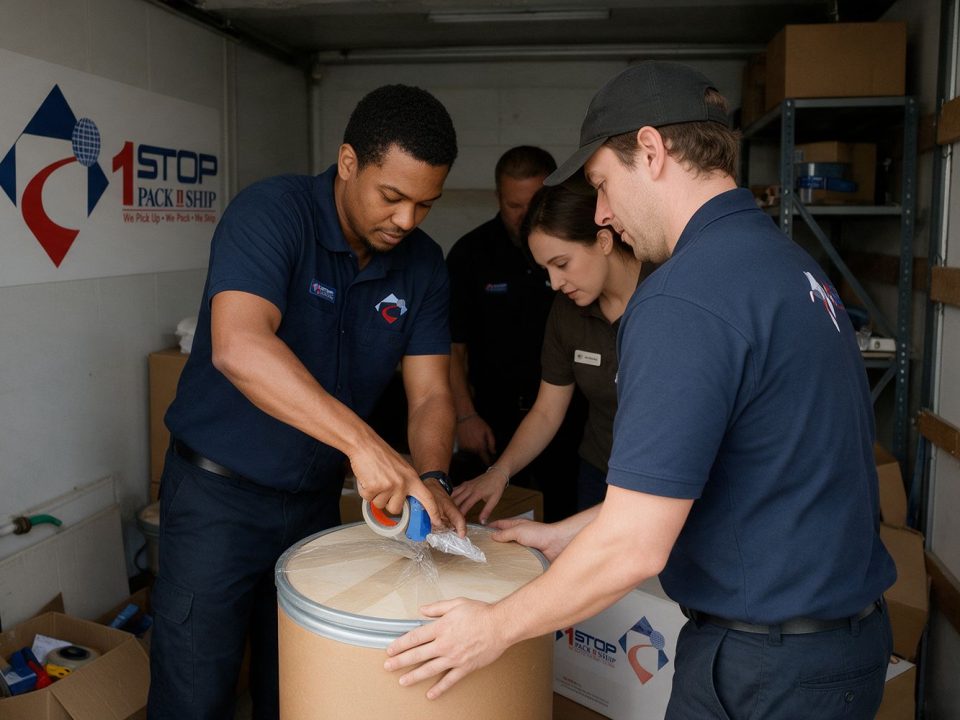
- Packaging: Properly pack and secure your items inside the container. Ensure they are well-protected to avoid damage during transit.
- Documentation: Prepare all necessary documents, including a packing list, commercial invoice, and any specific documents required for your destination country (e.g., import permits, certificates).
- Choose a Shipping Method:
- FCL (Full Container Load): If you have enough goods to fill an entire container, this option is more cost-effective and provides better control.
- LCL (Less than Container Load): If you don’t have enough goods to fill a container, you can share space with other shipments. This is often more affordable for smaller loads but can involve more handling.
- Select a Freight Forwarder or Shipping Line:
- Freight Forwarder: They can manage the logistics of your shipment, including booking the container, arranging transportation, and handling customs clearance.
- Shipping Line: You can also book directly with a shipping line if you prefer to manage the process yourself.
- Book the Shipment:
- Schedule: Book your container with the freight forwarder or shipping line. Confirm the schedule and ensure the availability of the container.
- Rates: Get a detailed quote that includes shipping costs, insurance, and any additional fees.
- Handle Customs and Documentation:
- Export Customs Clearance: Ensure your shipment meets the export requirements of your country and complete all necessary paperwork.
- Import Customs Clearance: Make sure you comply with the import regulations of the destination country. This may involve paying duties and taxes.
- Transport to Port:
- Delivery to Port: Arrange for the container to be delivered to the port for loading. This may involve trucking or rail transport.
- Loading and Shipping:
- Loading: The container is loaded onto a cargo ship. Ensure that it’s properly secured and that you receive a bill of lading, which is a receipt and contract for the shipment.
- Track the Shipment:
- Tracking: Use the tracking number provided by your shipping line or freight forwarder to monitor the progress of your shipment.
- Receive the Container:
- Arrival: Once the container arrives at the destination port, it will need to go through import customs clearance.
- Pickup: Arrange for the container to be picked up from the port and delivered to the final destination.
- Unload and Inspect:
- Unloading: Once at the destination, unload the container and inspect your goods for any damage.
- Complete Final Formalities:
- Documentation: Ensure all documentation is complete and finalize any necessary paperwork.
This process can vary depending on the specifics of your shipment and the countries involved, so it’s often helpful to work with a freight forwarder or logistics professional to navigate the details.