Why Growing Businesses Rely on Third-Party Logistics to Ship Smarter
January 31, 2026
The Best way to find international moving company
February 17, 2026
Sending a package across a border feels simple until it isn’t. A box that moves smoothly within one country can stall for days once customs officers get involved. Knowing what happens behind the scenes helps businesses and individuals avoid costly delays and ship with confidence.
Understanding What Can and Cannot Cross the Border
Every country sets its own rules about what may enter. Items that seem harmless at home—food products, plants, batteries, certain electronics, even branded goods—can be restricted or banned elsewhere. Customs authorities review shipments to protect public health, enforce trade laws, and prevent counterfeit goods from entering the market. Failing to check these rules can result in confiscated packages or unexpected fines. Shippers who take time to confirm restrictions before packing often avoid frustration later.
Regulations also change based on the reason for shipment. Sending personal gifts differs from exporting commercial goods in bulk. Business shipments may require import permits, product certifications, or safety documentation. Individuals mailing household items during a move face another set of requirements. Reviewing official government resources or consulting a professional shipping provider helps clarify what documentation and approvals are needed before the box ever leaves the warehouse or front porch.

How Customs Paperwork Shapes Your Shipping Timeline
Paperwork determines whether a package glides through inspection or sits in a warehouse awaiting clarification. Customs forms describe the contents, value, origin, and intended use of each item. Inaccurate descriptions or undervalued declarations often trigger manual reviews. That review adds days or even weeks to delivery time. A simple error in product codes or quantities can stall an otherwise routine shipment.
Timelines also depend on supporting documents such as commercial invoices and proof of origin. These forms allow border officials to calculate duties and verify compliance. Missing or incomplete paperwork can lead to requests for additional information, which pauses movement. Organized documentation speeds clearance and reduces the chance of a package being held at entry points. Preparation on the front end saves significant time once goods are in transit.
Why Proper Labeling Prevents Delays at Entry Points
Clear labeling serves more than a cosmetic purpose. Border agents rely on labels to confirm that package details match the submitted documents. If the description on the box conflicts with the customs declaration, officials may open the shipment for inspection. That process slows movement and increases handling risk. Accurate product names, quantities, and values help ensure consistency between paperwork and physical goods.
Language and formatting also matter. Some countries require specific product descriptions in English or in their official language. Vague terms like “miscellaneous items” invite scrutiny because they do not provide meaningful detail. Shippers who use precise, straightforward labeling reduce the chance of confusion. Small details—like correct addresses, phone numbers, and postal codes—make a noticeable difference in processing speed.
Packaging Choices Protect Items in Long Transit
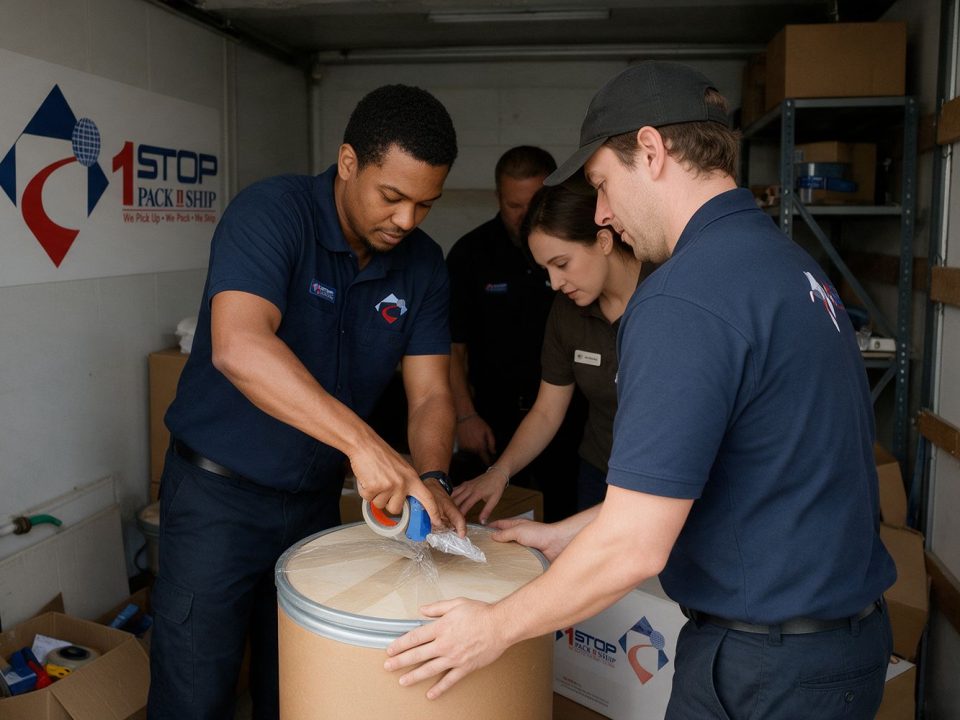
Cross-border shipping often involves multiple transfers between trucks, warehouses, and aircraft. Packages may travel thousands of miles before reaching their destination. Strong outer boxes, cushioning materials, and moisture protection shield contents from vibration and environmental changes. Poor packaging can lead to damaged goods and insurance claims, even if paperwork is flawless.
Different items require different levels of protection. Electronics may need anti-static materials, while fragile goods benefit from foam inserts or molded packaging. Climate conditions can also influence packaging decisions. Extended exposure to heat, cold, or humidity can affect sensitive products. Choosing the right materials reduces breakage and ensures items arrive intact, especially during long international journeys.

What Shipping Methods Work Best for International Moves
Shipping speed depends on urgency, budget, and the nature of the goods. Air freight typically delivers faster but at a higher cost. Ocean freight offers a more economical option for larger shipments but requires longer transit times. Courier services may provide door-to-door convenience with built-in customs support, which suits smaller parcels or time-sensitive documents.
Selecting a method involves balancing cost against delivery expectations. Businesses shipping inventory for a product launch may prioritize speed, while someone relocating personal belongings may choose cost efficiency. Transit routes, destination infrastructure, and carrier reliability also influence performance. Comparing options carefully helps shippers avoid paying for speed they do not need or sacrificing delivery windows that matter.
Why Tracking Matters Once Your Package Crosses the Border
Tracking provides visibility during a process that otherwise feels uncertain. Once a package enters another country, it passes through different systems and checkpoints. Real-time updates help senders and recipients understand where the shipment stands. Tracking alerts can also signal customs clearance, delays, or delivery attempts.
Visibility builds trust, especially for business transactions. Customers expect updates on international orders just as they would for domestic deliveries. Tracking tools also help resolve disputes by confirming timelines and locations. Staying informed reduces anxiety and allows quick action if a package encounters issues. Reliable tracking systems turn cross-border shipping into a transparent process rather than a guessing game.
What to Know Before Sending Personal or Business Goods
Personal shipments often carry sentimental value, while business shipments carry financial stakes. Understanding duties and taxes prevents surprises for recipients. Some countries require the receiver to pay import fees before release. Informing customers or family members about these potential charges avoids misunderstandings upon arrival.
Businesses should also consider intellectual property rules and trade agreements. Certain products qualify for reduced duties under specific trade programs if documentation supports eligibility. Personal senders moving household goods may need proof of residency or ownership. Knowing these requirements in advance reduces the risk of last-minute complications that could disrupt plans or strain customer relationships.

Move Smarter Across Borders with 1 Stop Pack n’ Ship Handling Every Detail from Box to Delivery
International shipping should not feel overwhelming or unpredictable. 1 Stop Pack n’ Ship works with individuals and businesses that need clear answers, reliable timelines, and careful handling from start to finish. Our team prepares documentation, secures packaging, and coordinates transit so clients avoid common cross-border setbacks.
Strong support makes a noticeable difference when shipments must arrive safely and on time. Whether sending personal belongings or commercial goods, our experience simplifies the process and protects what matters most. Contact us today to plan your next cross-border shipment with confidence.