How Much Does It Cost to Ship Furniture? Your Complete Guide to Choosing the Right Shipping Center
February 21, 2026
Streamlining Overseas Fulfillment with Third-Party Logistics (3PL)
March 10, 2026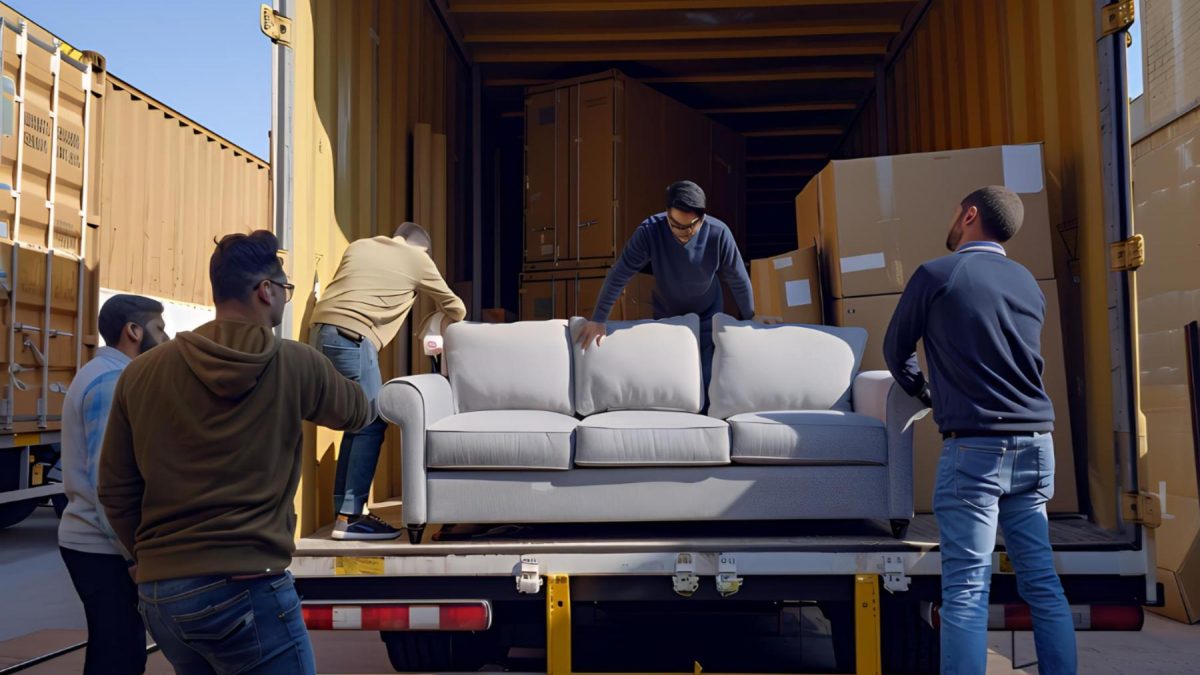
Let’s be honest: moving furniture overseas is no small feat. You need a solid plan—and, more importantly, the right shipping partner—if you want your belongings to actually show up in one piece. At our shipping center, we’ve found that ocean freight carriers are hands-down the most reliable (and wallet-friendly) choice for international furniture moves. They offer specialized services, too, covering everything from disassembly to customs clearance. But here’s the thing: it really comes down to picking a carrier that fits your shipment size and timeline. There’s no one-size-fits-all here.
We’ve seen our fair share of international shipping carriers, and not all of them are up to the task—especially when you’re talking about moving big, awkward household items across borders. Trust us, the difference between a smooth move and a total headache usually boils down to choosing a carrier that actually knows what they’re doing with furniture. Stuff like container choices, insurance, and whether they actually offer door-to-door service—these details matter, probably more than you’d think.
In this guide, we’ll break down how to pick the right carrier at our shipping centre. We’ll lay out your options, compare what you get with each service, and let you know what kind of backup you can expect if you’re taking on an international furniture move. If you want more info on our process, check out our international furniture shipping page.
Choosing the Best Shipping Carrier for International Furniture Moves
Picking the right carrier for shipping furniture overseas isn’t just about price. You’ve got to weigh up a bunch of factors—cost, protection, logistics. That’s where we come in. At our shipping centre, we help clients up and down the East Coast sort through these choices and land on a carrier that actually fits their needs.
Carrier Selection Criteria for Overseas Furniture Shipping
First up, you want a carrier with real experience in furniture logistics and international routes. We look for carriers offering both ocean and air freight, since the right mode really depends on your furniture’s size and how fast you need it to arrive.
What we look for:
- Service coverage: The carrier needs to ship to your destination country—and not just once in a blue moon
- Handling smarts: They should be comfortable with both LCL (less than container load) and FCL (full container load) shipments
- Paperwork help: Customs, export licenses, compliance—all that red tape
- Tracking systems: You want to actually see where your stuff is along the way
Container choice is a big deal. LCL is fine for smaller loads (think 2–13 cubic metres), but once you hit 14 cubic metres—or have something huge like a sectional sofa—FCL usually makes more sense.
We also double-check that carriers know how to handle furniture: custom crating, proper strapping, maybe even climate-controlled containers if you need them. Their loading process should keep your stuff from shifting around on the ocean (because nobody wants to open a container and find their dresser in pieces).
Shipping Rates and Cost Considerations
Let’s talk money. International furniture shipping costs can swing a lot depending on weight, size, distance, and whether you go by air or sea. Ocean freight is almost always cheaper than air, but you’ll have to wait longer—so it’s the go-to for most folks moving furniture overseas.
We always get quotes from a few different carriers for a fair comparison. It’s important to give exact measurements and weights (including packaging), or you might get hit with surprise fees down the line.
Here’s what affects the price:
- How much your furniture weighs and takes up
- How far it’s going, plus any port fees
- Customs duties and taxes at your destination
- Insurance for pricier items
- Packing materials and crating (don’t skimp on these!)
At 1 Stop Pack n Ship, we help you figure out the total landed cost—so that’s freight, customs, taxes, delivery, the works. That way, you’re not blindsided by extra charges. If you can, book early. Peak shipping seasons can drive prices up, and last-minute bookings usually cost more. Giving yourself a buffer can save a lot of hassle (and cash).

Carrier Reliability and Protection of Furniture Shipments
Reliability is everything. Will your stuff show up on time and in one piece? We check carriers for their on-time records, claims history, and what other customers have said about their furniture moves.
Insurance isn’t optional when you’re shipping furniture overseas. Standard carrier coverage is usually minimal, so we always recommend extra freight insurance that covers the full replacement value. It’s just not worth the risk otherwise.
We make sure carriers have solid packing standards—blankets, bubble wrap, corner protectors, wooden crates for the fragile stuff. Their team should know how to strap everything down so nothing moves in transit.
The top carriers give you a dedicated point of contact who actually understands furniture logistics. They’ll keep you in the loop about delays, customs holds, or paperwork issues. Honestly, that kind of support can make or break your move, especially when you’re dealing with tricky international regulations. For more on how we handle these situations, see our international shipping services page.
Shipping Process, Services, and Logistics Support
Shipping furniture overseas isn’t just about loading a container. It’s about getting every step right—from packing and pickup to customs and insurance—so your stuff makes it to your new place in one piece.
Packing and Preparation for International Furniture Shipping
Our advice? Take apart your furniture when you can. It’ll save space (and money) and cut down on the risk of damage. Bag up all the screws and hardware, label everything, and tape it to the furniture so nothing goes missing.
We always start with stretch film for moisture, then add moving blankets and cardboard for extra padding. Foam edge protectors are a must for those delicate corners and edges. It’s a bit of a process, but it pays off.
Packing methods depend on what you’re shipping:
- Standard pieces: Double-walled boxes with strong strapping
- Palletized items: Heavy items strapped down to wooden pallets
- High-value items: Custom wooden crates for antiques, glass, marble—anything you really care about
How you pack really affects the cost. Carriers charge for either the actual or the volumetric weight, whichever’s higher, so breaking things down and packing tight can save you a bundle.

Full-Service Logistics: From Pickup to Delivery
We handle the whole process—pickup, shipping, customs, delivery. Whether it’s sea, air, or rail, we’ll sort out the best route for your timeline and budget.
For big moves to the East Coast or abroad, we offer both Full Container Load (FCL) for larger shipments and Less than Container Load (LCL) for smaller ones. If you can consolidate multiple pieces into one container, you’ll almost always get a better price than sending things separately.
You’ll get real-time tracking from start to finish. Our warehouse management system keeps tabs on your goods and gives you updates at every stage. If you want more details on our end-to-end process, swing by our shipping centers page.
Handling Customs, Documentation, and Insurance
Getting through customs can be a bit of a headache without the right paperwork. You’ll need to have your commercial invoices, packing lists, and those ever-important harmonized system codes for classifying your furniture. Depending on what your furniture’s made of—or even what you plan to use it for—customs authorities might tax or classify it differently. It’s not always straightforward, is it?
We double-check every bit of customs paperwork before your shipment even gets close to the border. That way, you’re less likely to run into surprise fees or frustrating delays at the port. Our team’s pretty familiar with the maze of international regulations, so we know exactly what’s needed for furniture imports in each country. It’s definitely not a one-size-fits-all situation.
Insurance coverage we recommend:
- Comprehensive cargo insurance—especially if your furniture’s high-value or one-of-a-kind
- Coverage that kicks in during both transit and storage (because you never really know what might happen)
- Protection for damage, loss, or even those unpredictable customs issues
Honestly, skipping insurance is just not worth the risk. If something goes wrong during shipping or handling, proper coverage can save you from a financial mess. Think about it: the cost of sending items back or dealing with a damaged reputation is way higher than just paying for insurance upfront. For anything valuable or sentimental, it’s a no-brainer.
Anything else – let us know! Feel free to ask.