For Your Business Perusal: A Guide To Safe Product Packaging
November 9, 2020
International Moving: How Can You Make It Easier for Yourself
January 13, 2021
You’ve finally managed the deposit on your brand-new property and are ready to make the long-distance voyage, luggage in tow. However, shipping your favorite furniture cross-state or internationally is often a gamble, and without careful planning, it could guarantee disaster.
If you’re unwilling to succumb to a garage sale or donation drive, with a little luck and thorough planning, transporting your furniture long-distance can run just as smoothly as moving into a home down the road.
Choose the Correct Moving Strategy
How you decide to move your furniture will dictate whether or not they arrive intact. Before seeking a pack and ship company to partner up with, consider:
- How much furniture you’re moving
- Your budget for hiring a moving service
- How much you’re willing to adjust
Then, narrow your choices to the following.
1. Full-Service Movers
Homeowners love a one-and-done deal—but they don’t come without their risks. If you’re planning to dispatch larger pieces of furniture such as a three or four-door wardrobe or grand piano, traditional moving companies will be better equipped to do so.
However, their services can become costly and even account for 20% of damage and loss claims. Your items are at risk of being loaded and unloaded several times throughout the excursion or even lodge with several other people’s belongings.
If you’re considering traditional shipping methods, don’t overlook insurance—you’ll thank yourself for it later.
2. Freight-Shipping Company
When partnering up with a freight-shipping service, you’ll have to choose between two primary options:
- Less-Than-Truck-Load (LTL): Shipments may experience transfer multiple times during transport. This affordable option is ideal for homeowners who are shipping a few smaller items.
- Full-Truck-Load (FTL): Shipments will remain in the same truck for transport duration, which can reduce the chances of damage or loss. This option is ideal for delicate handling, though it is less cost-effective.
Both options may impact your cost, level of security, and shipping time, so explore both air and ground freight. Never settle for the most affordable option—it may cost you more in the long run.
3. Portable Storage Containers
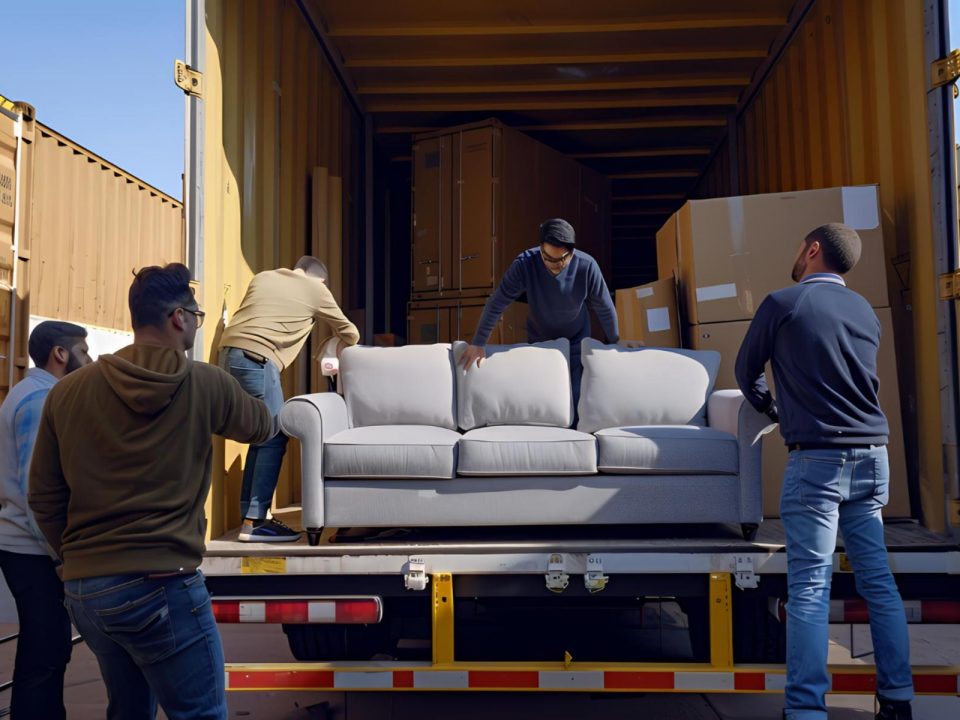
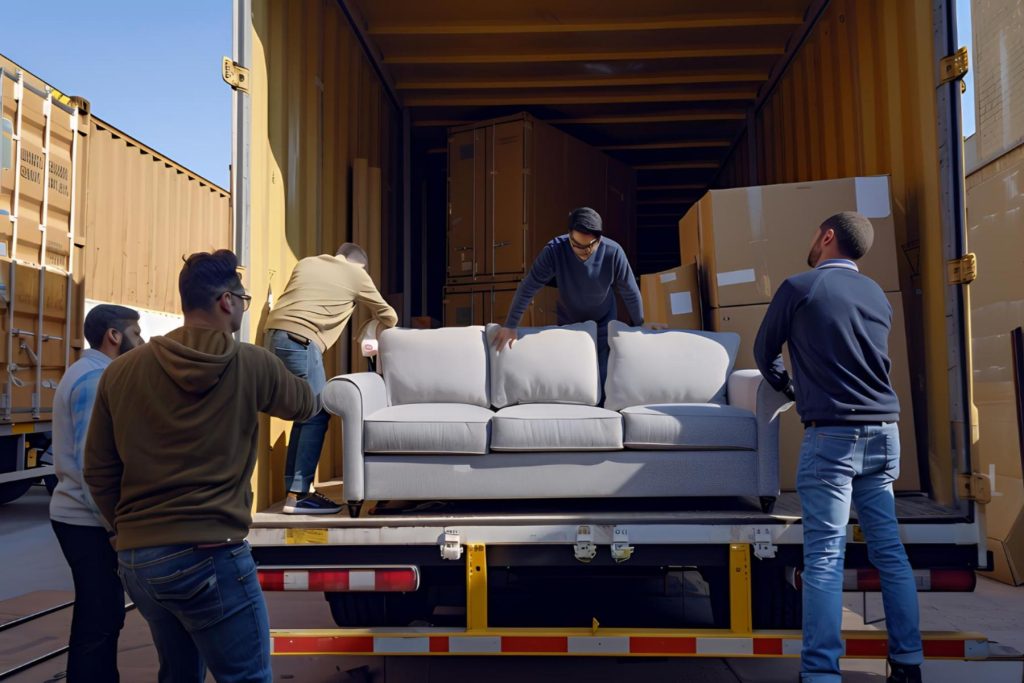
Portable moving or storage containers are an excellent, all-in-one move-and-store solution. Suppose you’re working alongside a more flexible timeline. In that case, you can park your container at a secure facility or even in your driveway, allowing you to load and unload items as necessary.
Because homeowners are responsible for loading and unloading items, they have greater control over how they package their fragile items. Compared to traditional moving services, those who elect to move furniture with a portable storage container experience damage and claims at under 2%.
The container size you select will depend on how many items you’re shipping. If you’re moving a limited selection, a PODS 7-foot container will typically suffice. For additional assistance, you can hire a professional packer and loader along with your container.
DIY Packing: the Dos and Don’ts
If you are a self-proclaimed handyman, you may opt to DIY your furniture packing with years-earned skills. Remember, you’re moving your furniture long-distance, so give it a thought before you decide to forego the help of a professional.
If you’re confident in your ability to secure your items, keep the following tips in mind.
1. Packing Larger Furniture
Approach packing furniture the way you would play a game of Tetris. You want to maximize square footage and allow room for movement without scraping. Still, you want to make sure you keep your items as compact as possible by packing your container densely.
Items that you’d consider large are couches, tables, bookcases, wardrobes, and the like. Distribute weight evenly and make generous use of blankets and plastic wrap. Here are a few additional pointers for packing these specific items.
- Mattress: Keep your mattress in a plastic slip to keep its box spring safe. Use it to box in other, more fragile items strategically.
- Bed Frame: Keep your woodwork in between your mattress and box spring.
- Dining Set: If possible, remove the legs from your table and wrap them individually. Stack and wrap accompanying chairs together.
- Mirror: Protect fragile items by creating an “X” with masking tape across the center to minimize the impact of vibrations. Keep mirrors and picture frames in moving boxes—never leave them loose.
- Couch: Cushions make for excellent softeners and protection for more fragile items. Shield corners with plastic-wrapped pillows.
- Dresser/Wardrobe: Remove drawers before loading your wardrobe and cushion corners. Pay special attention to specially-finished areas and wrap them with blankets.
2. Packing Smaller Furniture
Smaller furniture helps secure larger pieces on-the-move.
- Chairs: As we mentioned, you’ll want to stack your chairs whenever possible. Wrap all types of other seats in plastic and pack them into free corners. Plastic creates friction and keeps your smaller seats and stools from flying.
- Side Tables: Like chairs, side tables with skinny legs can fit in between larger items—but rely on your best judgment. Watch out for handles and corners that can scrape against their surface.
- Glass Tables: Glass materials such as coffee tables should be packaged similarly to mirrors—with an X across the surface to limit vibrations.
3. Plan Your Move
In case you’ve somehow forgotten, you’re moving in with the rest of your furniture. If you’re moving cross-country or internationally, ensure that your favorite pieces will fit to begin with.
Measure your furniture against your new blueprint and prioritize must-have items. If you’re having trouble parting with sentimental furniture, consider donating them to a neighbor or family member.
Visualize how specific items will interact with your new space and take into account what additional furniture you plan to purchase. Remember, in some cases, less is more.
Conclusion
A long-distance move is no easy feat. Before you begin scrambling for a pick-up and ship service, familiarize yourself with the new property and strategically plan your layout. Upon packing day, tie everything down and ensure that they are secure enough for travel.
For domestic and international movers you can always count on, contact our specialists at 1 Stop Pack N Ship. We prioritize safe transportation and provide real-time updates with live tracking.
GET A FREE QUOTE NOW !